
Artificial Intelligence is no longer a niche technology reserved for researchers and data scientists. Today, AI is transforming industries, redefining job roles, and becoming an essential skill set across business, technology, marketing, finance, healthcare, and education.
As organizations continue to adopt AI technologies, employers are actively seeking professionals who can understand, apply, and work alongside AI systems. Whether you’re a student, a working professional, or someone considering a career transition, understanding the most in-demand AI skills can help you stay competitive in an increasingly AI-driven workforce.
Businesses are under pressure to improve productivity, automate repetitive tasks, make data-driven decisions, and innovate faster than ever before. AI has become one of the key technologies enabling these transformations.
However, while AI adoption is growing rapidly, many organizations face a shortage of professionals who possess the right combination of technical knowledge, practical skills, and business understanding.
This skills gap creates significant opportunities for individuals willing to invest in AI education and professional development.
Prompt engineering has emerged as one of the most valuable AI skills in recent years.
Professionals who know how to effectively communicate with AI systems can generate better outputs, automate workflows, create content more efficiently, and solve complex business problems.
Key competencies include:
Prompt engineering is becoming relevant not only for technical professionals but also for marketers, project managers, educators, consultants, and business leaders.
Employers increasingly expect professionals to understand the fundamentals of AI, regardless of their role.
AI literacy includes understanding:
Professionals with a strong foundation can better identify opportunities for AI adoption and contribute to strategic decision-making.
Organizations are seeking individuals who can automate repetitive tasks and improve operational efficiency using AI-powered tools.
Popular applications include:
The ability to combine AI tools with business workflows is becoming a highly valuable skill across industries.
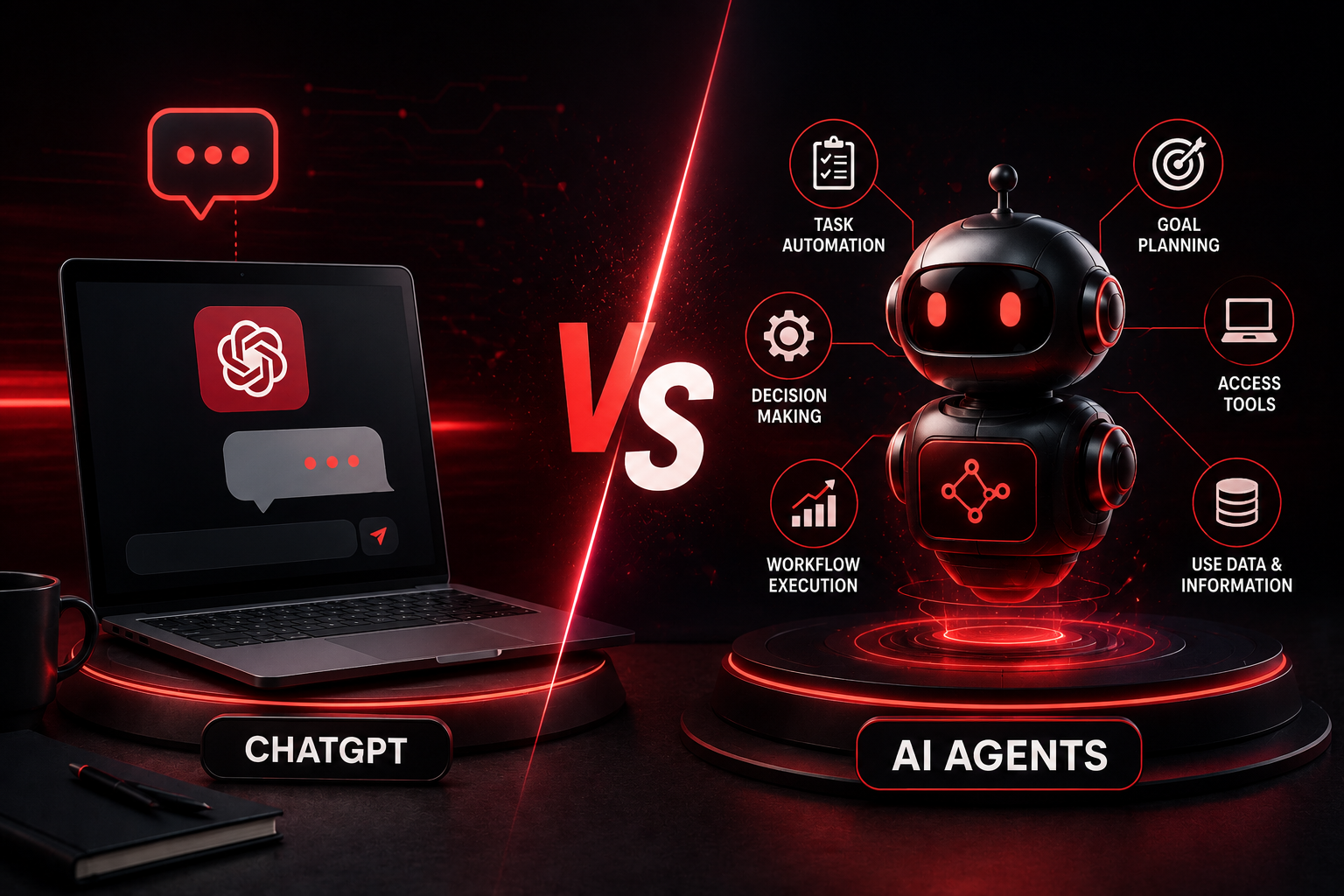
AI agents are rapidly becoming one of the most exciting areas within artificial intelligence.
Unlike traditional AI tools, agents can perform tasks, make decisions, execute workflows, and interact with multiple systems autonomously.
Skills in this area include:
As organizations adopt more advanced AI solutions, demand for AI agent specialists is expected to grow significantly.
The good news is that developing AI skills is more accessible than ever. Professionals can start with foundational concepts before progressing into specialized areas such as prompt engineering, automation, AI agents, machine learning, or business applications.
A structured learning path that combines theoretical understanding with practical application is often the most effective way to build confidence and demonstrate competence.
The demand for AI skills is expected to continue growing throughout 2026 and beyond. Employers are not simply looking for AI experts; they are looking for professionals who can effectively apply AI to solve real-world challenges.
By developing skills such as prompt engineering, AI literacy, automation, data analysis, AI agent development, and responsible AI practices, individuals can position themselves for success in an evolving job market.
The future workplace will increasingly reward those who understand how to work with AI rather than compete against it. Investing in AI education today can help create new career opportunities, improve professional performance, and prepare you for the next generation of work.